

Pionering power solutions

Transitional energy

Energy landscape

Our plants
Power generation in development
Power generation potential based on gas supply
Natural gas represents a transformative energy solution for Africa, offering a strategic pathway to overcome critical electricity challenges. At Navitas Power and Gas, we leverage cutting-edge liquefied natural gas (LNG) technologies to deliver flexible, scalable power generation that addresses the urgent need for reliable, clean, and efficient electricity infrastructure.
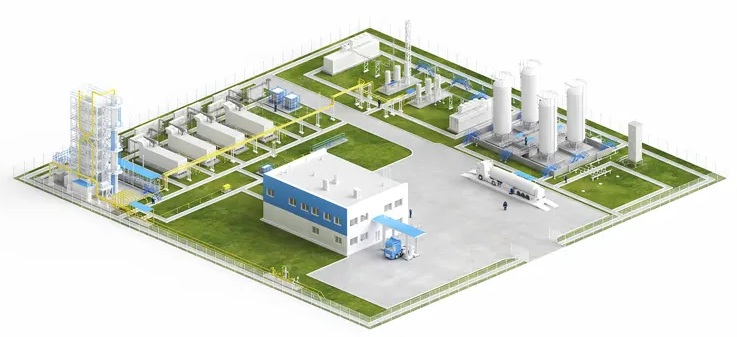
Our unique positioning targets gas-to-power (GTP) plants under 100 MW, enabling us to:
The following table illustrate the complex trade-offs between coal and natural gas in power generation
| Aspect | Coal | Natural gas |
|---|---|---|
| Carbon Emissions | High (highest in G20) | Significantly Lower, (Less than 9%) |
| Infrastructure Readiness | Existing extensive infrastructure | Developing infrastructure |
| Environmental Impact | Severe pollution | Relatively cleaner |
| Future Viability | Declining | Transitional potential |
| Energy Efficiency | 33-40% | 45-60% |
| Health Risks | High (respiratory diseases, black lung) | Lower direct health impacts |
| Extraction Environmental Damage | Extensive landscape destruction | Potential methane leakage |
The expanded table now includes three additional critical dimensions:
Natural gas represents a critical bridge technology in Africa's complex energy landscape. By leveraging LNG, we offer:
We're not just providing power—we're reimagining how Africa generates, distributes, and consumes electricity. Our solutions are designed to:
Africa's electricity systems stand at a critical crossroads. Historically dominated by coal-fired power stations — which currently generate a significant share of the continent's electricity — African nations urgently need a transformative energy approach.
Natural gas emerges as a strategic transitional fuel, offering multiple advantages:
While national plans like the Integrated Resource Plan outline broad strategies, Navitas Power and Gas takes a targeted, pragmatic approach:
Navitas Power and Gas is not just responding to Africa's energy challenges—we're actively reshaping the future of power generation. By focusing on flexible, efficient, and clean natural gas solutions, we're helping build a more resilient, sustainable energy ecosystem.
Our innovative gas-to-power plants represent a breakthrough in private energy generation across Africa. By combining state-of-the-art reciprocating engines with de-carbonised operations, we deliver 20MW and 50MW of reliable baseload power to industrial consumers. Our modular approach ensures rapid deployment, while our independent operation guarantees energy security and price stability through dedicated Power Purchase Agreements.
Our dual power plant strategy represents a significant advancement in Africa's private power generation landscape. The flagship 20MW facility, complemented by an ambitious 50MW plant under development, exemplifies our commitment to industrial energy security through de-carbonised power generation.
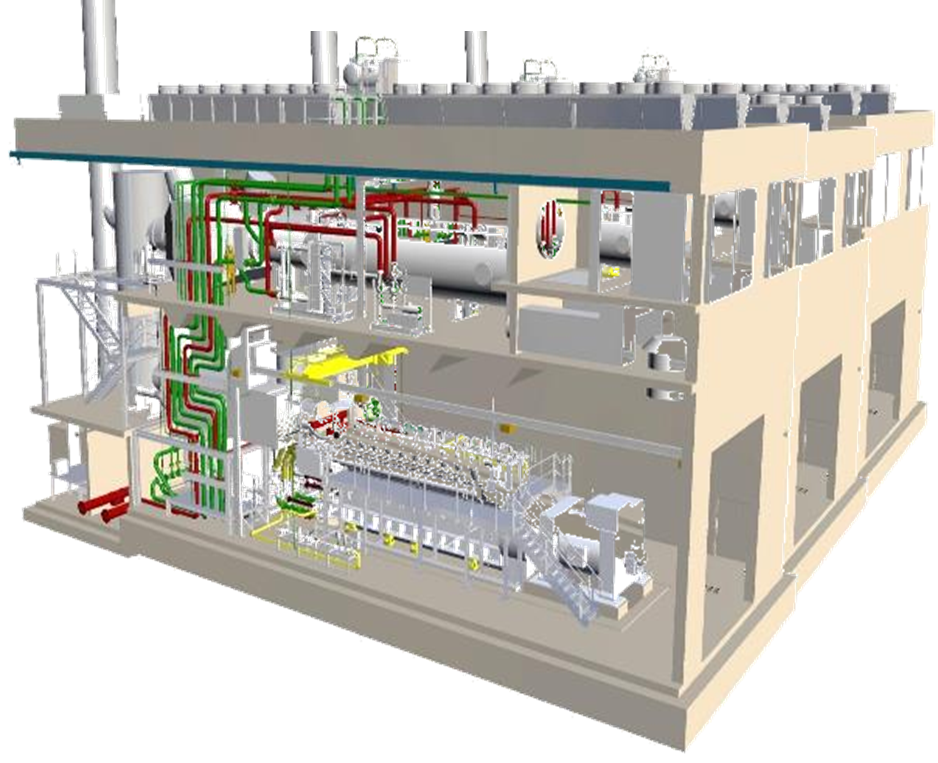
3D plant model
The modular architecture of our plants enables swift deployment using standardised equipment, significantly reducing construction complexity and commissioning time. This approach not only minimizes project risks but also ensures consistent performance across our operations.
Our commitment to excellence extends beyond mere power generation. By incorporating advanced monitoring systems and predictive maintenance protocols, we maintain optimal performance levels while ensuring maximum availability for our industrial clients.
At the heart of our operations are advanced reciprocating engines, each delivering 10,600 kW of power. These engines represent the pinnacle of gas-to-power technology, offering superior performance and reliability. The modular design philosophy enables rapid deployment while maintaining operational flexibility and scalability.
The integration of cutting-edge control systems allows for precise power output management and optimal fuel efficiency. Our engines feature sophisticated combustion control technology that maintains stable operation across varying load conditions, ensuring consistent power delivery.
These technical innovations are complemented by a comprehensive digital infrastructure that enables real-time performance monitoring and remote diagnostics. This advanced capability ensures rapid response to operational changes and maintains peak efficiency throughout the plant's lifecycle.
Operating as baseload facilities, our plants ensure continuous, reliable power supply to industrial consumers. This operational model directly addresses Africa's critical need for stable, uninterrupted power supply. The facilities operate independently of the national grid, providing our clients with energy sovereignty and price predictability through carefully structured Power Purchase Agreements.
>Our operational philosophy centers on maximizing plant availability while minimizing environmental impact. Through careful load management and optimal maintenance scheduling, we ensure consistent power delivery while maintaining the highest standards of operational efficiency.
The implementation of advanced predictive maintenance strategies, coupled with comprehensive staff training programs, ensures minimal downtime and optimal plant performance. This approach guarantees our ability to meet baseload requirements while maintaining the flexibility to respond to changing demand patterns.
Our development process adheres to stringent environmental and regulatory requirements, including a comprehensive Environmental Impact Assessment (EIA) and full compliance with applicable licensing regulations. This commitment to regulatory excellence positions our facilities as benchmark projects in Africa's evolving energy landscape.
We maintain continuous engagement with regulatory authorities and stakeholders throughout the project lifecycle. This proactive approach ensures transparency and compliance while building strong relationships with local communities and regulatory bodies.
Our compliance framework extends beyond mandatory requirements to embrace international best practices in power plant operation and environmental management. This comprehensive approach demonstrates our commitment to sustainable development and responsible corporate citizenship.
While our initial 20MW plant establishes our presence in the market, the 50MW facility under development demonstrates our commitment to scaling our impact. This expansion strategy aligns perfectly with the government's commitment to private power generation up to 100MW, creating new opportunities for industrial growth and energy independence.
Our vision extends beyond current projects to encompass future opportunities in Africa's evolving energy landscape. By maintaining flexibility in our development approach, we remain positioned to respond to emerging market needs and technological advancements.
The success of our current projects lays the foundation for future expansion, with potential for replication across various industrial sectors. Our modular approach and standardised designs enable rapid scaling while maintaining consistent quality and performance across all operations.